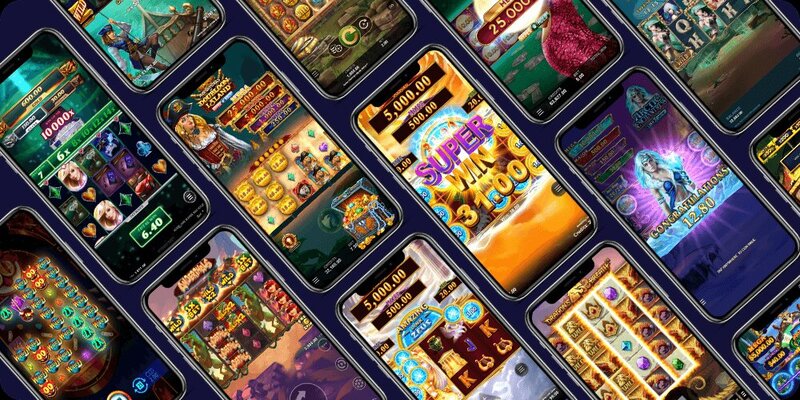
Canada Gaming Conferences Schedule 2026
Top 5 Gaming Events in Canada This Year
The Canadian gaming scene is vibrant and ever-evolving, with a range of conferences that bring together developers, publishers, and enthusiasts. These events serve as crucial platforms for networking, showcasing new projects, and exploring industry trends. Below is a curated list of the top five gaming conferences in Canada for this year, detailing dates, locations, and key themes.
1. Gamescom Canada
Gamescom Canada is one of the most anticipated events on the Canadian gaming calendar. This year, it will take place from June 15 to June 17 in Toronto. The conference focuses on indie and AAA game development, with a strong emphasis on innovation and creativity. Attendees can expect to see a wide array of games, from experimental prototypes to polished titles.

Key Themes
- Indie game development and funding
- Virtual reality and augmented reality applications
- Game design and storytelling techniques
2. Game Developers Conference Canada
Game Developers Conference Canada is a specialized event that caters to professionals in the game development field. Scheduled for September 20 to September 22 in Vancouver, this conference is known for its in-depth workshops and panel discussions. It attracts a mix of veteran developers and emerging talent, creating a dynamic environment for knowledge exchange.
Key Themes
- Game design and user experience
- Programming and technical advancements
- Monetization strategies and business models

3. Canadian Game Awards
The Canadian Game Awards is an event that celebrates excellence in the gaming industry. It will be held on November 10 in Montreal. This event is a platform for recognizing outstanding achievements in game development, storytelling, and design. It also serves as a networking opportunity for industry professionals.
Key Themes
- Game design and narrative excellence
- Technical innovation and performance
- Industry recognition and awards
4. Indie Game Festival Canada
The Indie Game Festival Canada is dedicated to supporting independent developers. The event is scheduled for March 5 to March 7 in Ottawa. It provides a stage for indie creators to showcase their work and connect with potential investors and publishers. The festival is known for its inclusive and collaborative atmosphere.
Key Themes
- Indie game development and funding
- Community building and collaboration
- Game design and creative expression
5. Canadian Gaming Summit
The Canadian Gaming Summit is a broader event that covers various aspects of the gaming industry. It will take place from April 12 to April 14 in Calgary. This summit includes sessions on game development, marketing, and business strategies. It is a great opportunity for professionals to gain insights into the latest trends and strategies in the industry.
Key Themes
- Game marketing and branding
- Business strategies and operations
- Industry trends and future outlook
How to Network at Gaming Conferences
Networking at gaming conferences requires intentionality and strategy. These events bring together industry professionals, developers, and enthusiasts, offering a unique opportunity to build meaningful connections. The key is to approach interactions with clarity and purpose.
Identify Your Goals
Before attending, define what you hope to achieve. Are you looking to find collaborators, learn about new tools, or connect with potential employers? Having clear objectives helps you focus your efforts and makes conversations more productive.
- Prepare a short elevator pitch about your work or interests.
- Research key attendees and speakers to prioritize meetings.
- Bring business cards or digital contact information.
Engage with Exhibitors
Exhibitors are a valuable resource for insights and opportunities. Many companies use conferences to showcase new products, test ideas, or recruit talent. Approach them with specific questions to demonstrate genuine interest.
Ask about their latest projects, challenges they face, or how they see the industry evolving. This not only helps you learn but also positions you as an engaged participant.

Connect with Speakers
Speakers often have deep expertise and can offer valuable perspectives. Approach them before or after their sessions to ask thoughtful questions or share your own insights.
Follow up with a brief message after the event to maintain the connection. This shows professionalism and can lead to future collaborations or mentorship opportunities.
Interact with Fellow Attendees
Networking is not limited to professionals. Fellow attendees can become valuable contacts, whether they are students, indie developers, or industry veterans. Join group discussions, participate in workshops, or attend social events to meet like-minded individuals.
- Use conference apps or social media to find others with similar interests.
- Attend after-parties or informal meetups to build rapport.
- Exchange contact details and follow up with a personalized message.

Follow Up Strategically
The real value of networking comes after the event. Take time to review your interactions and identify the most promising connections. Send personalized follow-up messages within 48 hours to reinforce your engagement.
Keep the conversation going by sharing relevant articles, updates, or opportunities. This builds long-term relationships and increases the likelihood of future collaboration.
Stay Consistent and Authentic
Networking is a continuous process. Maintain your connections by staying active in the community, attending future events, and supporting others in your network. Authenticity and consistency are key to building trust and credibility.
Key Topics Discussed at Canadian Gaming Conferences
Canadian gaming conferences serve as critical platforms for industry professionals to exchange insights on emerging trends and innovations. These events consistently highlight several core themes that shape the future of the gaming sector. Understanding these topics provides attendees with a strategic advantage in navigating the evolving landscape.
Online Gambling Trends
Online gambling remains a focal point at Canadian gaming conferences. Discussions center on user behavior, platform preferences, and the impact of mobile technology. Experts analyze how digital habits influence game design and player engagement. Key trends include the rise of live dealer games, integration of blockchain for transparency, and the expansion of sports betting platforms.
- Live dealer games are gaining traction due to their immersive experience.
- Blockchain technology is being explored for secure and transparent transactions.
- Sports betting platforms are expanding to include real-time betting options.

New Slot Technologies
Slot machines continue to evolve with cutting-edge technologies that enhance player experience. Conferences often feature demonstrations of new features such as augmented reality (AR) integration, AI-driven personalization, and interactive bonus rounds. Industry leaders emphasize the importance of balancing innovation with player accessibility.
- AR integration allows players to experience virtual environments while playing.
- AI-driven personalization tailors game content to individual preferences.
- Interactive bonus rounds increase engagement through dynamic gameplay.
Developers also address the need for responsible gaming features, ensuring that new technologies do not compromise player well-being. This includes implementing self-exclusion tools and real-time spending alerts.

Regulatory Changes
Regulatory updates are a recurring theme at Canadian gaming conferences. With the landscape constantly shifting, experts analyze how new policies affect operations, compliance, and market strategies. Discussions often revolve around licensing requirements, advertising standards, and data protection laws.
- Licensing requirements are becoming more stringent to ensure fair practices.
- Advertising standards are evolving to protect vulnerable audiences.
- Data protection laws are being strengthened to safeguard user information.
Conference panels also explore the implications of cross-border regulations, particularly with neighboring jurisdictions. This helps businesses prepare for potential changes in market access and operational constraints.
Emerging Opportunities
Alongside these key topics, Canadian gaming conferences highlight emerging opportunities that industry professionals should consider. These include partnerships with technology firms, expansion into new markets, and the development of hybrid gaming models that blend physical and digital experiences.
- Partnerships with technology firms can drive innovation and efficiency.
- Expansion into new markets offers growth potential and diversification.
- Hybrid gaming models cater to a broader audience by combining traditional and digital elements.
Experts recommend staying informed about these developments to remain competitive and adapt to changing industry demands.
Comparing Gaming Conferences by Audience Size
Understanding the audience size of gaming conferences is essential for attendees to align their goals with the right event. While some conferences attract thousands of participants, others cater to niche communities. The difference in scale often reflects the conference's focus, location, and industry relevance.
Event Sizes and Attendee Demographics
Major Canadian gaming conferences typically draw between 5,000 to 20,000 attendees. These events often feature a broad mix of professionals, including developers, publishers, investors, and media representatives. Smaller, specialized events may have fewer than 1,000 participants, but they often attract more targeted audiences such as indie developers, esports teams, or academic researchers.
- Large-scale events like the Game Developers Conference (GDC) Canada or the Toronto Game Show tend to have a global reach, with attendees from various regions and backgrounds.
- Mid-sized conferences often focus on specific areas such as mobile gaming, virtual reality, or game design, drawing professionals with specialized interests.
- Smaller, regional events provide a more intimate setting, ideal for networking and in-depth discussions on local industry trends.
Attendee demographics also vary significantly. Large events often see a higher proportion of industry veterans, while smaller gatherings may have a larger share of emerging talent and students. This distinction influences the type of content, networking opportunities, and overall experience at each event.
Industry Focus and Event Relevance
The industry focus of a conference directly impacts its audience size and composition. Events that align with current market demands tend to attract more participants. For example, conferences emphasizing game development, esports, or digital marketing may draw larger crowds compared to those with more niche or academic themes.
Some events prioritize specific sectors, such as mobile gaming or indie development. These focus areas help attendees connect with like-minded professionals and access tailored content. Others take a broader approach, offering a wide range of sessions, panels, and workshops to appeal to a diverse audience.
- Developer-focused conferences often have a strong presence of game studios, publishers, and tech companies.
- Esports-oriented events attract players, teams, and fans, with a heavy emphasis on live competitions and community engagement.
- Academic and research-based conferences may draw educators, researchers, and students interested in the theoretical and technological aspects of gaming.
Choosing the right conference depends on your goals. If you're looking to expand your network among industry leaders, a large-scale event with a broad focus may be more suitable. For specialized knowledge or deeper connections, a smaller, more focused conference could offer better value.

By evaluating audience size, demographics, and industry focus, attendees can make informed decisions about which conferences to prioritize. This approach ensures that time and resources are invested in events that best align with personal and professional objectives.
Preparation Checklist for Attending Gaming Conferences
Attending a gaming conference requires careful planning to maximize value and minimize stress. Whether you're a developer, publisher, or enthusiast, a structured approach ensures you make the most of your time. Here's a detailed checklist to guide you through the process.
1. Registration and Credentials
Before the event, confirm your registration status and download any necessary digital credentials. Many conferences now use mobile apps or digital badges for entry. Ensure your name, title, and company details are correct to avoid delays at the entrance.
- Verify your registration confirmation email and check for any additional steps required.
- Download the conference app or platform if available. Familiarize yourself with its features, such as session schedules and networking tools.
- Print or save your digital badge on your phone for quick access during check-in.
2. Travel and Accommodation
Plan your travel and lodging well in advance. Consider proximity to the venue, transportation options, and potential costs. Booking early can save money and reduce last-minute stress.
- Book accommodation at least two weeks in advance, especially if the conference is in a major city.
- Check the venue's location and plan your travel route. Consider public transit, ride-sharing, or parking options.
- Keep a copy of your travel itinerary, hotel confirmation, and event schedule in a secure place.

3. Session and Event Planning
Review the conference agenda and prioritize the sessions that align with your goals. Many events offer multiple tracks, so focus on the most relevant ones. Be prepared to adjust your schedule as needed.
- Identify keynotes, workshops, and panel discussions that match your interests or professional needs.
- Use the conference app to mark sessions you want to attend and set reminders.
- Bring a notebook or digital device to take notes and capture insights during sessions.
4. Networking and Business Development
Networking is a key component of any gaming conference. Prepare your elevator pitch, business cards, and digital contact information. Engage with others in a genuine and professional manner.
- Prepare a short introduction about your role, company, and what you hope to gain from the event.
- Bring business cards or a digital QR code linking to your LinkedIn profile or portfolio.
- Follow up with new contacts within 48 hours to solidify connections and explore opportunities.

5. Post-Event Follow-Up
After the conference, take time to reflect on your experience and organize the information you gathered. This helps ensure that the insights and connections made during the event lead to tangible outcomes.
- Review your notes and identify key takeaways from the sessions you attended.
- Send personalized follow-up messages to contacts you met during the event.
- Update your professional profiles with any new insights, partnerships, or projects discussed.
By following this checklist, you can approach any gaming conference with confidence and clarity. Preparation is the foundation of a successful and rewarding experience.